Asian Games MMA: A Safer, Modified Approach for Olympic Aspirations

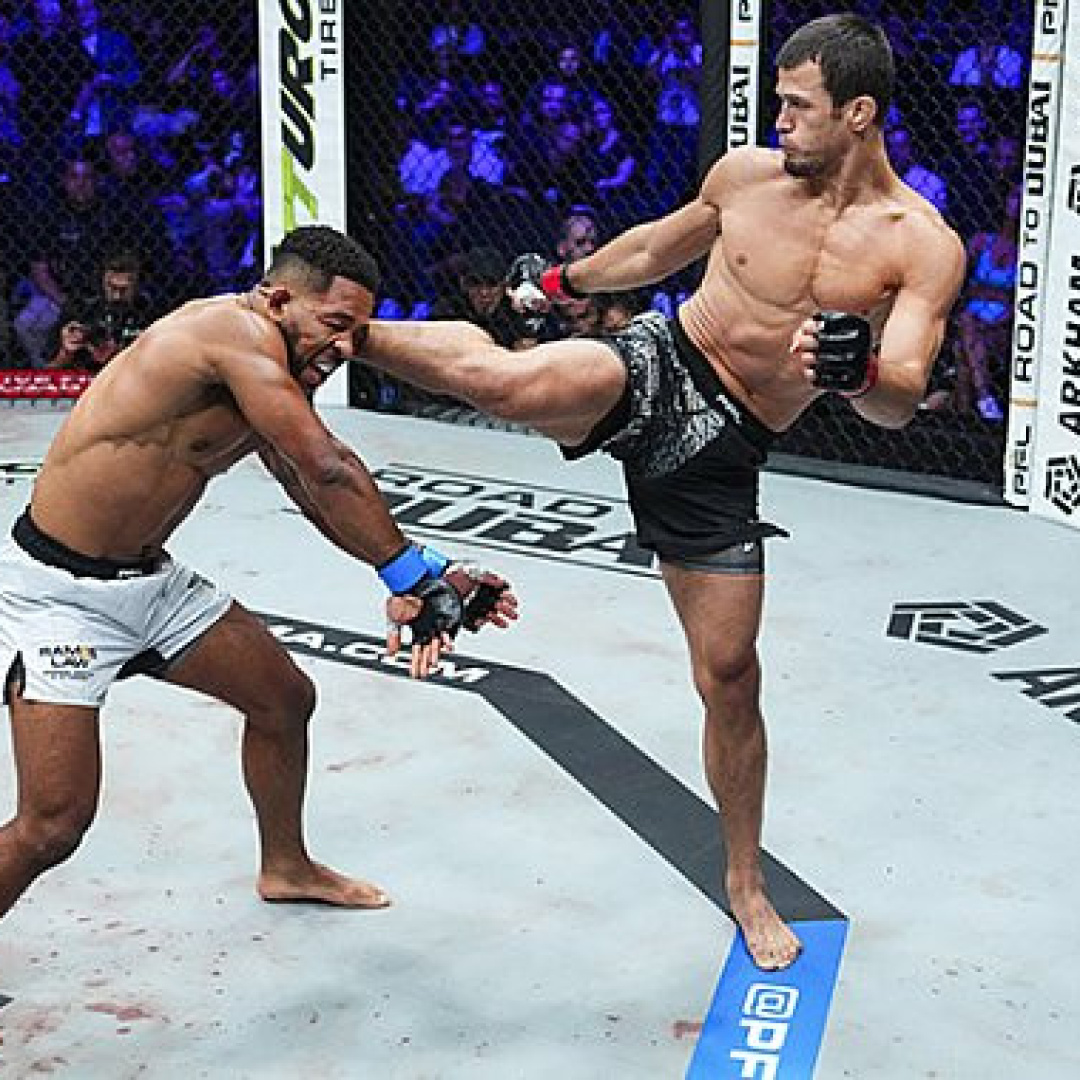
The Asian Games are showcasing a modified version of Mixed Martial Arts (MMA), designed with athlete safety and Olympic inclusion in mind. This adaptation comes as governing bodies strive for global recognition and a coveted spot on the Olympic program. Unlike the visceral experience of a UFC fight night, the Asian Games' MMA competition is characterized by its absence of cages, elbows, and an emphasis on safety, making it distinct from its more brutal counterparts.
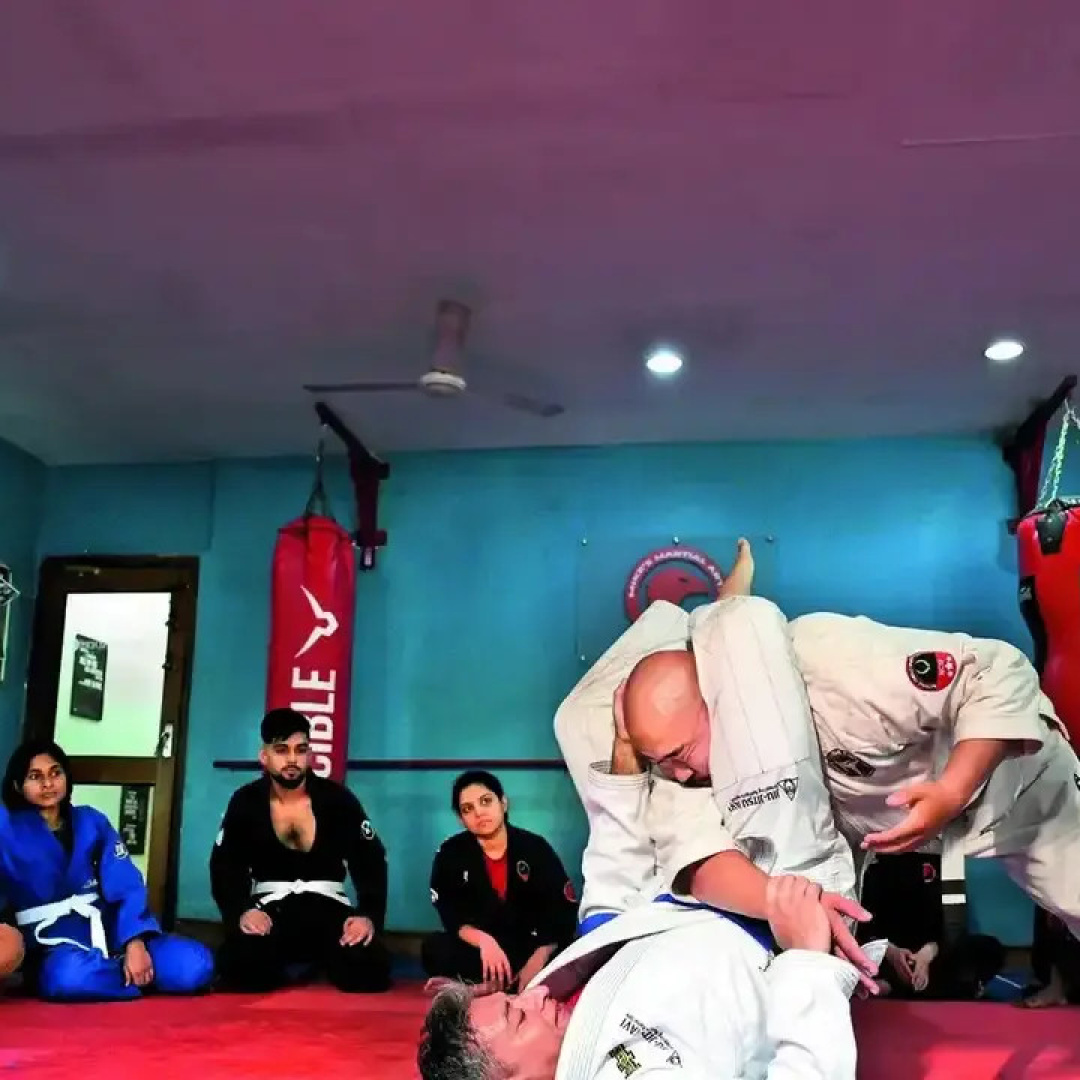
Athletes compete in traditional martial arts uniforms and wear shin guards for added protection, while techniques such as dropping knees onto prone opponents are strictly prohibited. The only octagon present at the Nagoya City Inae Sports Centre is a grey outline marked on the open mat, symbolizing the sport's shift towards a more regulated and viewer-friendly format.
Galastein Tan, the director general of the Federation of International Mixed Martial Arts (FIMMA), expressed that these modifications are intended to create a rule set that is more suitable for the Olympic program. "It's a sport, a rule-set that we believe is more suitable for the Olympic programme," Tan stated, emphasizing the focus on athlete safety.
Despite the changes, the intensity of competition remains palpable. For instance, South Korea's Lee Bo-mi was visibly shaken after a heavy takedown from Bahrain's Diana Pogosian during the women's 54kg semi-final. This incident underscores the physical demands of the sport, even within a modified framework.
In the backdrop of this competition, a larger struggle unfolds as rival governing bodies vie for dominance and influence in the world of MMA. FIMMA, established last year and stemming from the Asian Mixed Martial Arts Association, is backed by Chinese billionaire Gordon Tang, who also holds a vice-presidential position in the Olympic Council of Asia. FIMMA's brand of MMA has been officially recognized for the Nagoya event and will continue to be featured in future Asian Games.
Challenges on the Path to Olympic Recognition
However, the journey to Olympic recognition for MMA is fraught with challenges. FIMMA faces competition from the Global Association of Mixed Martial Arts (GAMMA), which claims to be the sport's international federation and organizes its own championships. Tan noted the complexity of achieving recognition from the International Olympic Committee, stating, "The ultimate one is who gets the recognition by the International Olympic Committee."
As the Asian Games continue, empty seats at the venue and a lack of visible sponsorship logos raise questions about the sport's immediate appeal. Nevertheless, FIMMA remains optimistic that IOC officials will recognize the potential of including a sport with a massive global following in the Olympic program. The absence of a universally accepted rule set for MMA may delay its Olympic aspirations, but FIMMA is committed to building momentum through regional and continental competitions that they argue are more accessible than traditional cage fighting. "There is always a judo mat or a karate mat you can use — it's more easy for training and to set up competition," remarked FIMMA Executive Vice-President Alexander Engelhardt.
The Decision
As interest in MMA continues to grow worldwide, the potential for Olympic inclusion remains a tantalizing prospect. The modifications at the Asian Games could serve as a model for how the sport can evolve to meet the standards of the Olympic Committee while retaining its competitive spirit. FIMMA's ongoing efforts to promote a safer and more structured version of MMA may ultimately pave the way for broader acceptance and recognition within the global sports community.
Looking ahead, the future of MMA in the Olympic arena will depend on the ability of governing bodies like FIMMA to unify the sport under a common set of rules. The Asian Games serve as a critical testing ground for these modifications, and the results could influence the trajectory of MMA as it seeks to gain a foothold in the prestigious Olympic program. As the sport continues to adapt, it will be essential to balance the excitement of competition with the imperative of athlete safety, ensuring that MMA can thrive on an international stage.