Brazilian Jiu-Jitsu Gains Popularity in Kolkata's Martial Arts Scene

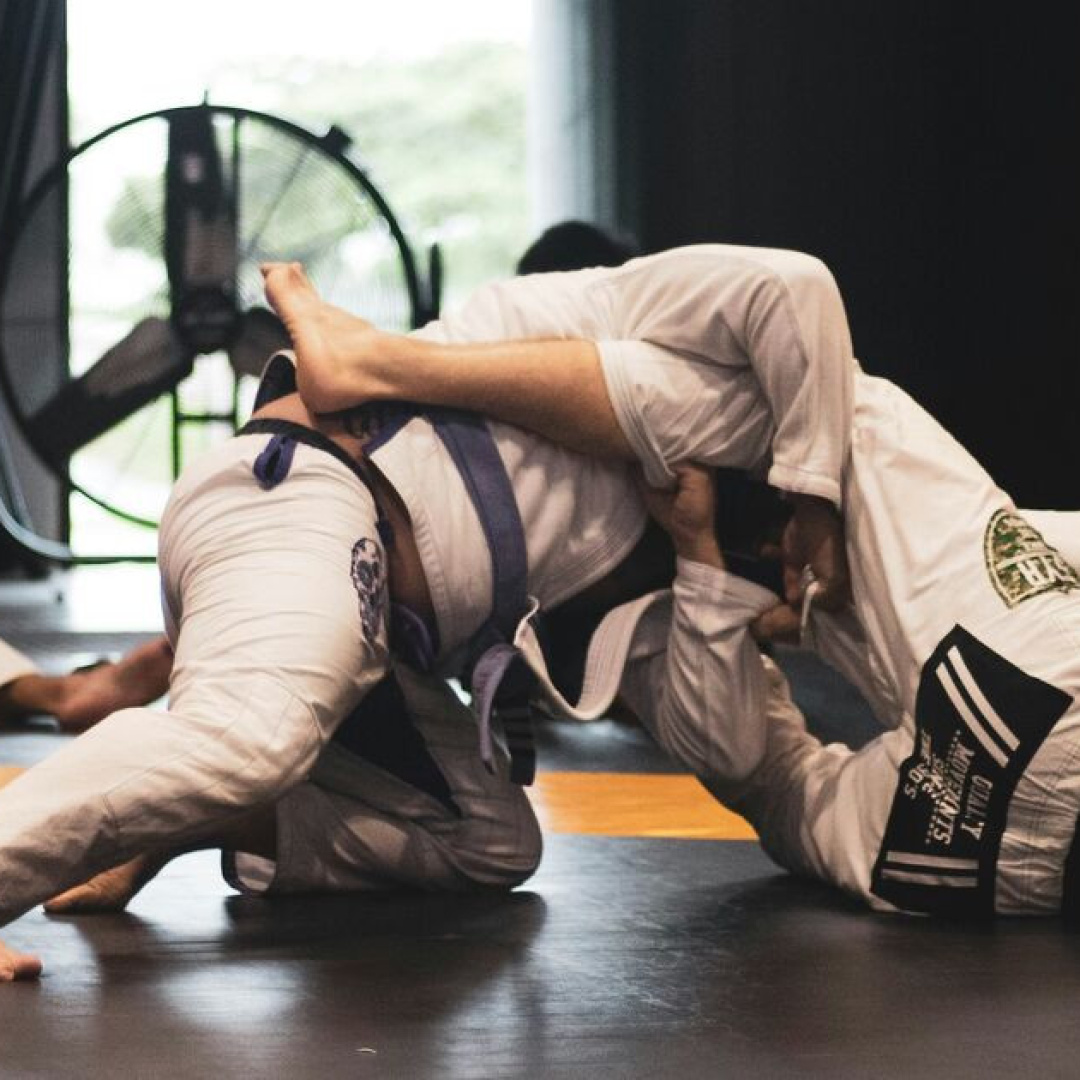
In Kolkata, where karate has long been the dominant martial art, Brazilian Jiu-Jitsu (BJJ) is carving out its niche as a compelling alternative. This shift highlights a broader transformation in the approach to fitness and self-defense, moving away from striking-based disciplines to those that emphasize control, leverage, and technique. Although still in its formative stages, BJJ is steadily fostering a dedicated community within the city.
The rise of BJJ is evident with the increasing number of dojos opening their doors, catering not only to professional fighters but also to hobbyists, women, and children. Mayukh Banerjee, who operates a martial arts school, notes that this trend is fueled by a growing preference for fitness regimes that integrate strength, technique, and self-defense. "BJJ offers a practical understanding of how to handle real-life situations effectively," he explains.
For many women in Kolkata, the appeal of BJJ lies in its practicality. Tarika Modi, a student, emphasizes that the discipline equips women with the skills to manage real-world confrontations without relying on brute strength. However, trainers report that many women hesitate to train due to the sport's close-contact nature. Mayukh Banerjee points out that the grappling and ground fighting involved in BJJ can feel uncomfortable for some, especially in a cultural context where physical proximity is often viewed with caution.
The Lifestyle of Martial Arts Practitioners
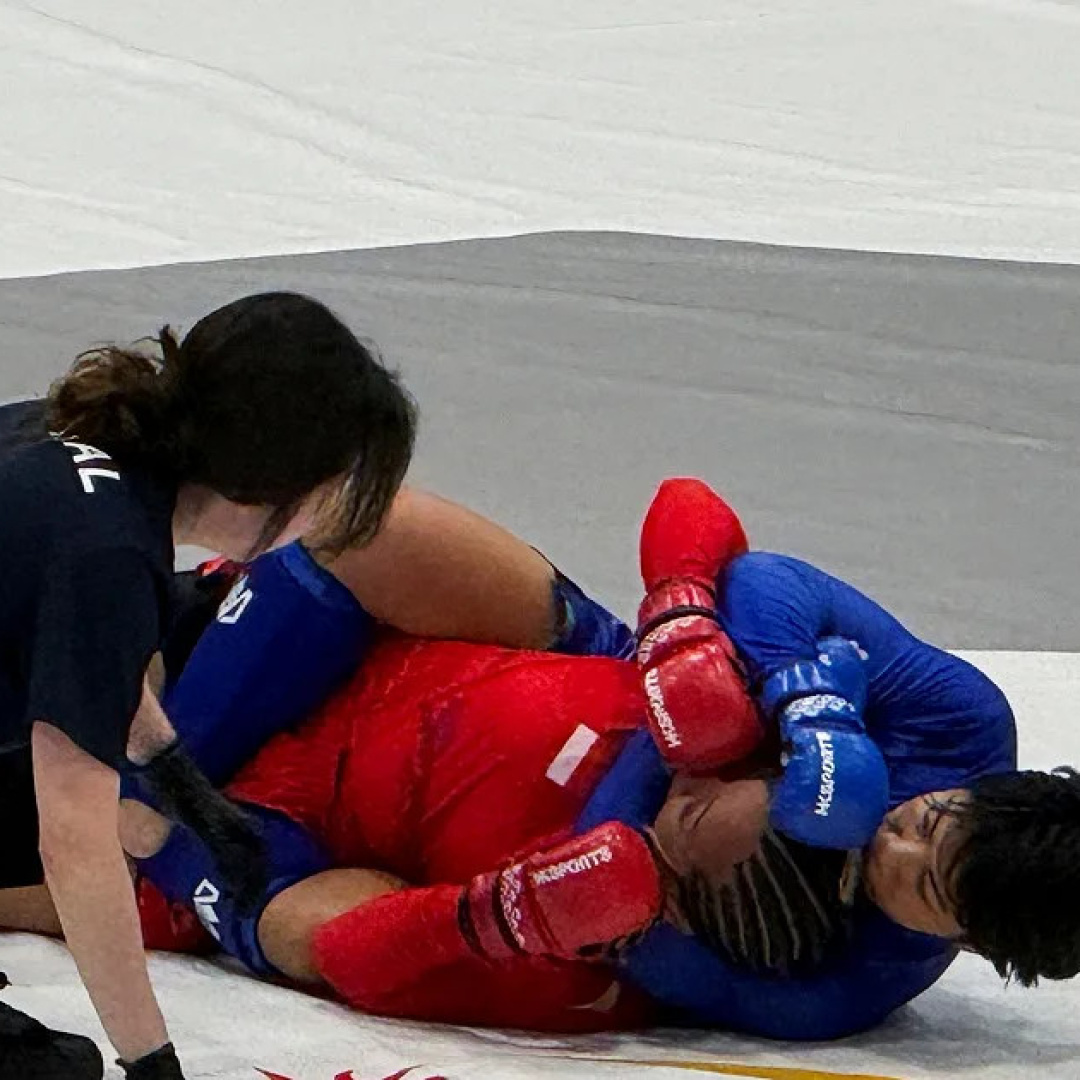
Practitioners of martial arts often view their training as more than just a sport; it becomes a lifestyle characterized by discipline, patience, and continuous learning. Anbesh Limbu, a sensei, highlights that while mixed martial arts (MMA) focuses heavily on striking, the reality of a fight often transitions to the ground. "BJJ addresses the crucial question of what to do once your opponent is down," he states. The discipline teaches individuals how to control opponents, escape from challenging positions, and ultimately finish fights using submissions like chokes and joint locks.
The Ring Verdict
Unlike striking arts that depend on speed and power, BJJ is grounded in leverage, balance, and precision. This allows even smaller or less physically strong individuals to defend themselves effectively. Azmi Khan, another local sensei, adds that the intensity of BJJ differs significantly from striking-based martial arts. It demands endurance, strength, core stability, and overall body control, making it a comprehensive workout.
While BJJ may be perceived as a more expensive sport compared to karate, with advanced training often requiring international instructors, its growing popularity indicates a shift in the martial arts landscape of Kolkata. As awareness of BJJ continues to grow, it is likely to attract more practitioners, reshaping the traditional martial arts scene in the city.