Exploring the Cognitive and Social Benefits of Martial Arts for Seniors

Martial arts have long been celebrated for their physical benefits, but recent research sheds light on their profound social and cognitive advantages, particularly for older adults. A study conducted by a team from the Dalian University of Technology in China explores how martial arts training can enhance mental health and cognitive function while also fostering social connections among seniors.
The research emphasizes that traditional martial arts, such as judo, karate, and Tai Chi, are not merely physical activities; they are holistic practices that combine physical exercise with social interaction and cognitive engagement. This multifaceted approach is crucial for older adults, who often face challenges related to cognitive decline, social isolation, and mental health issues like depression and anxiety.
As individuals age, the risk of cognitive decline increases, which can negatively impact their independence and quality of life. The study suggests that martial arts training can mitigate these risks by providing a structured environment where seniors can engage in physical activity while also forming meaningful social connections. This social context is vital, as it enhances the overall experience of training and contributes to emotional well-being.
Research indicates that martial arts training stimulates the release of brain-derived neurotrophic factor (BDNF), a protein essential for brain health. Higher levels of BDNF are associated with improved cognitive performance and structural changes in the brain, such as increased gray matter in critical areas responsible for memory and decision-making. Older adults who participate in martial arts often show enhanced cognitive abilities, including better attention, memory, and multitasking skills.
Cognitive Engagement Through Martial Arts Training
Moreover, the cognitive demands of martial arts training—such as memorizing techniques and anticipating opponents' movements—engage the brain in ways that promote neuroplasticity. This means that the brain is capable of reorganizing itself and forming new connections, which is particularly beneficial for seniors. The mental engagement required in martial arts can lead to improved executive function and overall cognitive performance.
The Final Count
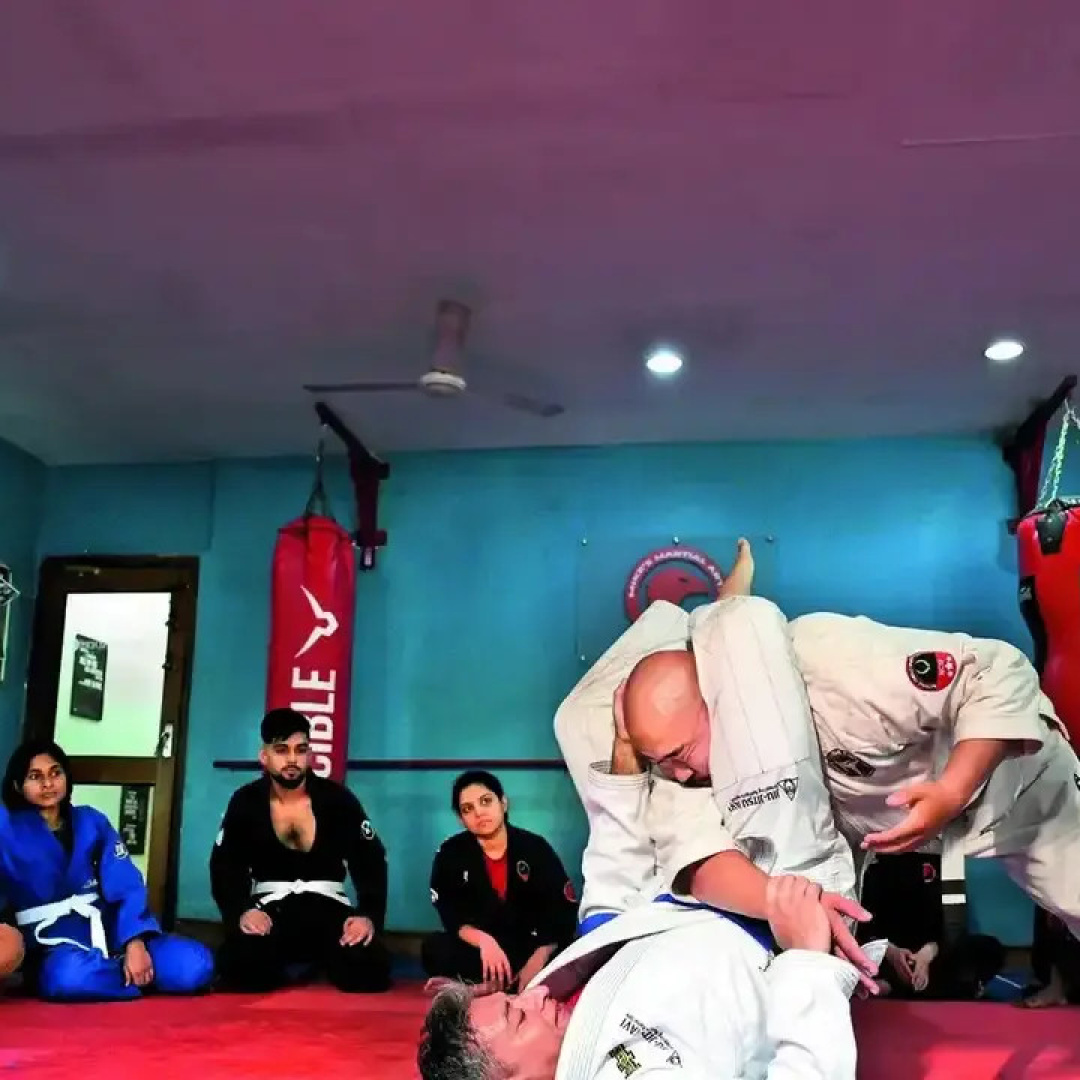
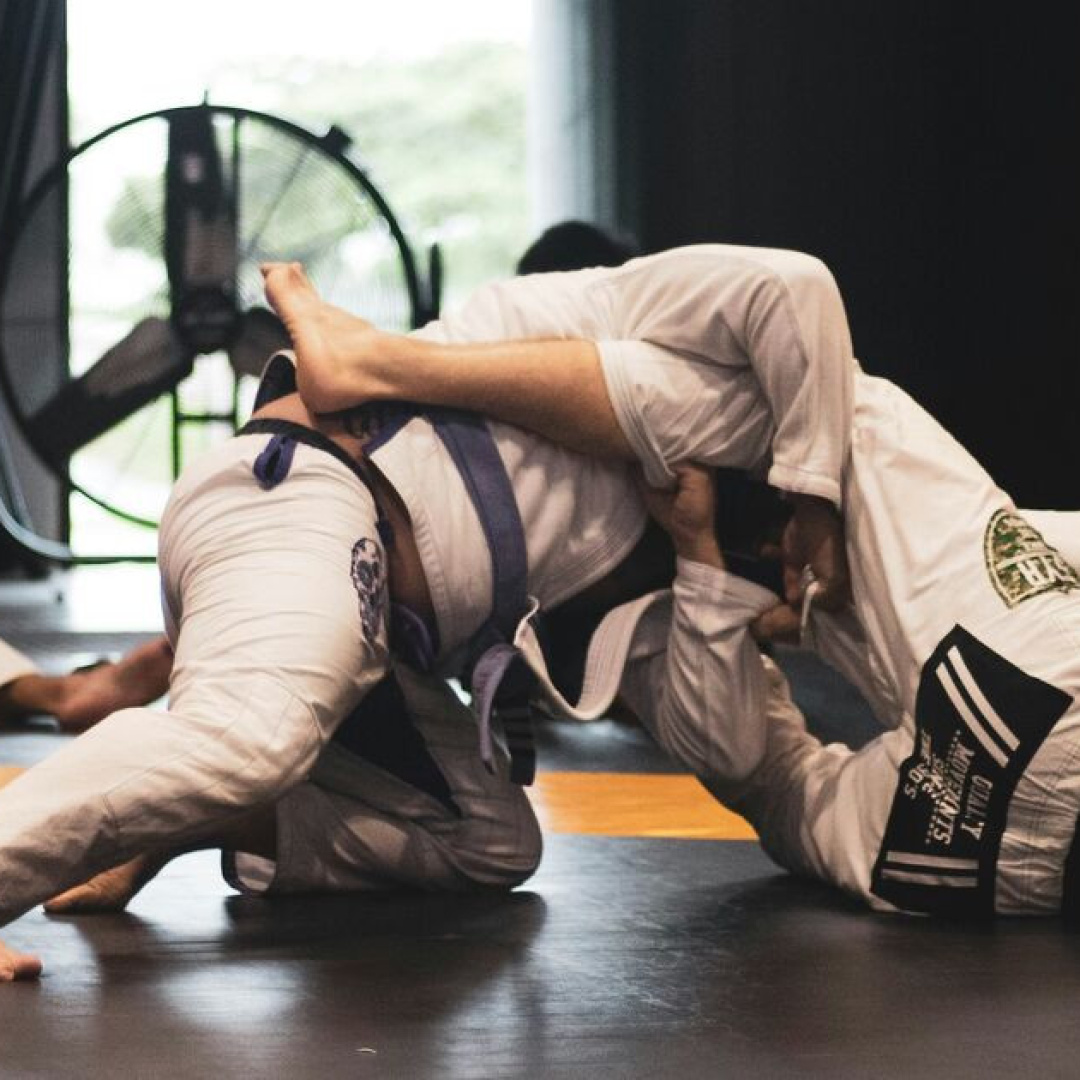
Importantly, martial arts training is typically conducted in group settings, providing opportunities for social interaction and mutual support. Unlike the solitary training often depicted in films, real-life martial arts practice fosters a sense of community among participants. This social aspect not only enhances motivation but also builds emotional resilience, encouraging seniors to remain active and engaged in their training.
In conclusion, martial arts training offers a rich combination of physical, cognitive, and social benefits for older adults. By promoting healthy aging through a holistic approach, martial arts can serve as a valuable tool for enhancing quality of life in seniors. As we continue to explore the various dimensions of martial arts training, it is essential to recognize its potential as a lifelong practice that transcends age, allowing individuals to remain active and connected throughout their lives.